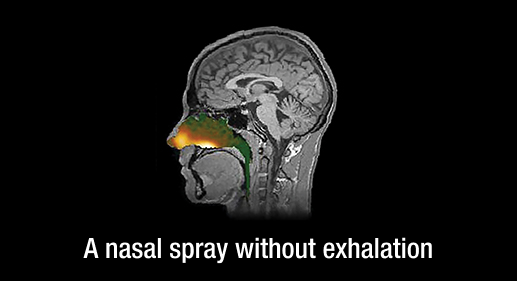
XHANCE is a corticosteroid indicated for the treatment of:
- Chronic rhinosinusitis with nasal polyps (CRSwNP) in adults.
- Chronic rhinosinusitis without nasal polyps (CRSsNP) in adults.
CONTRAINDICATIONS:
Hypersensitivity to any ingredient in XHANCE.
WARNINGS AND PRECAUTIONS:
- Local nasal adverse reactions, including epistaxis, erosion, ulceration, and septal perforation can occur. Monitor patients periodically for signs of possible changes on the nasal mucosa. If a septal perforation is noted, discontinue XHANCE. Candida infections may also occur with treatment with XHANCE which may require treatment with appropriate local therapy and discontinuation of XHANCE. Patients who have experienced recent nasal ulcerations, nasal surgery, or nasal trauma should not use XHANCE until healing has occurred.
- Glaucoma and cataracts may occur with long-term use. Consider referral to an ophthalmologist in patients who develop ocular symptoms or use XHANCE long-term. Instruct patients to notify their healthcare provider if a change in vision occurs.
- Hypersensitivity reactions (e.g., anaphylaxis, angioedema, urticaria, contact dermatitis, rash, hypotension, and bronchospasm) have been reported after administration of fluticasone propionate. Discontinue XHANCE if such reactions occur.
- Immunosuppression and infections can occur, including potential increased susceptibility to or worsening of infections (e.g., existing tuberculosis; fungal, bacterial, viral, or parasitic infection; ocular herpes simplex). Use with caution in patients with these infections. More serious or even fatal course of chickenpox or measles can occur in susceptible patients. Corticosteroids should be used with caution, if at all, in patients with active or quiescent tuberculosis infections of the respiratory tract; systemic fungal, bacterial, viral, or parasitic infections; or ocular herpes simplex.
- Hypercorticism and adrenal suppression may occur with very high dosages or at the regular dosage in susceptible individuals. If such changes occur, discontinue XHANCE slowly. Observe patients postoperatively or during periods of stress for evidence of inadequate adrenal response. The replacement of a systemic corticosteroid with a topical corticosteroid can be accompanied by signs of adrenal insufficiency. Inform patients that deaths due to adrenal insufficiency have occurred during and after transfer from systemic corticosteroids. Taper patients slowly from systemic corticosteroids if transferring to XHANCE.
- Use with strong cytochrome P450 3A4 inhibitors (e.g., ritonavir, atazanavir, clarithromycin, indinavir, itraconazole, nefazodone, nelfinavir, saquinavir, ketoconazole, telithromycin, conivaptan, lopinavir, voriconazole) is not recommended because increased systemic corticosteroid adverse effects may occur.
- Decreases in bone mineral density have been observed with long-term oral inhalation of products containing corticosteroids into the lungs. Assess initially and periodically thereafter in patients at high risk for decreased bone mineral content, such as prolonged immobilization, family history of osteoporosis, postmenopausal status, tobacco use, advanced age, poor nutrition, or chronic use of drugs that can reduce bone mass (e.g., anticonvulsants, oral corticosteroids).
- Nasal corticosteroids, including XHANCE, may cause a reduction in growth velocity when administered to pediatric patients. The safety and effectiveness of XHANCE has not been established in pediatric patients.
ADVERSE REACTIONS:
Chronic rhinosinusitis with nasal polyps: The most common adverse reactions (incidence ≥ 3%) are epistaxis, nasal septal ulceration, nasopharyngitis, nasal mucosal erythema, nasal mucosal ulcerations, nasal congestion, acute sinusitis, nasal septal erythema, headache, and pharyngitis.
Chronic rhinosinusitis without nasal polyps: The most common adverse reactions (incidence ≥ 3%) are epistaxis, headache, and nasopharyngitis.